
Nano/Bio
Research Area
Nano/Bio
The Nano/Bio Group focuses on developing technologies to harness nano- and micron-scale phenomena both in living and non-living systems. Our work involves research in precise measurement, manipulation, and control technologies for biological systems ranging from biomolecules to cells and tissues, as well as research in energy, sensor, and display devices based on the fabrication of micro/nano structures.
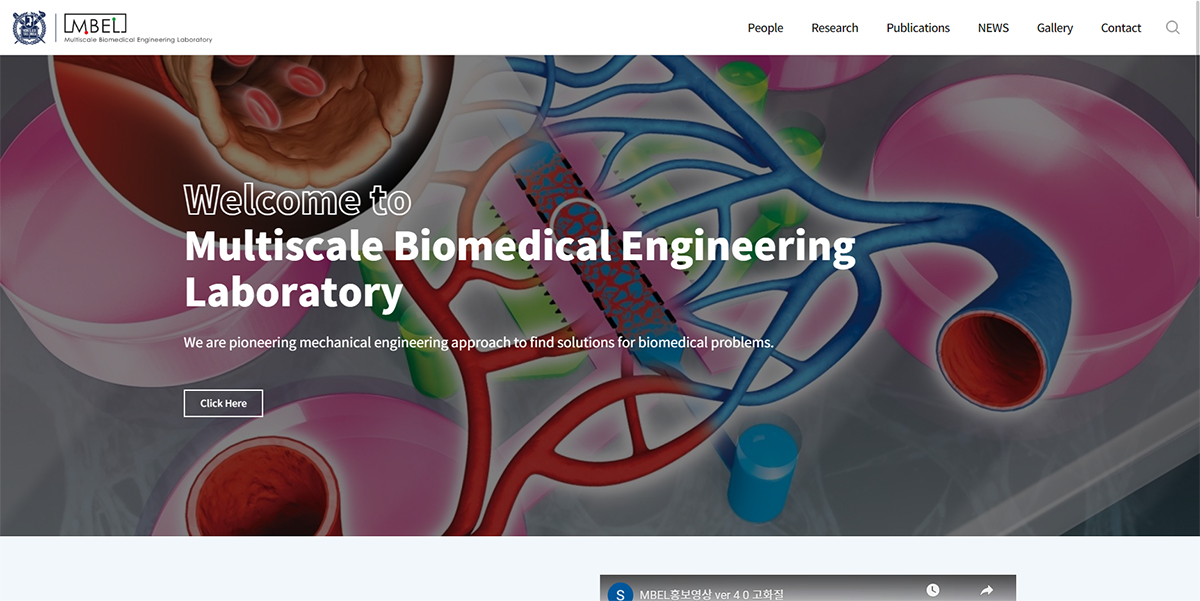
Multiscale Biomedical Engineering Laboratory
Prof. Jeon, Noo Li
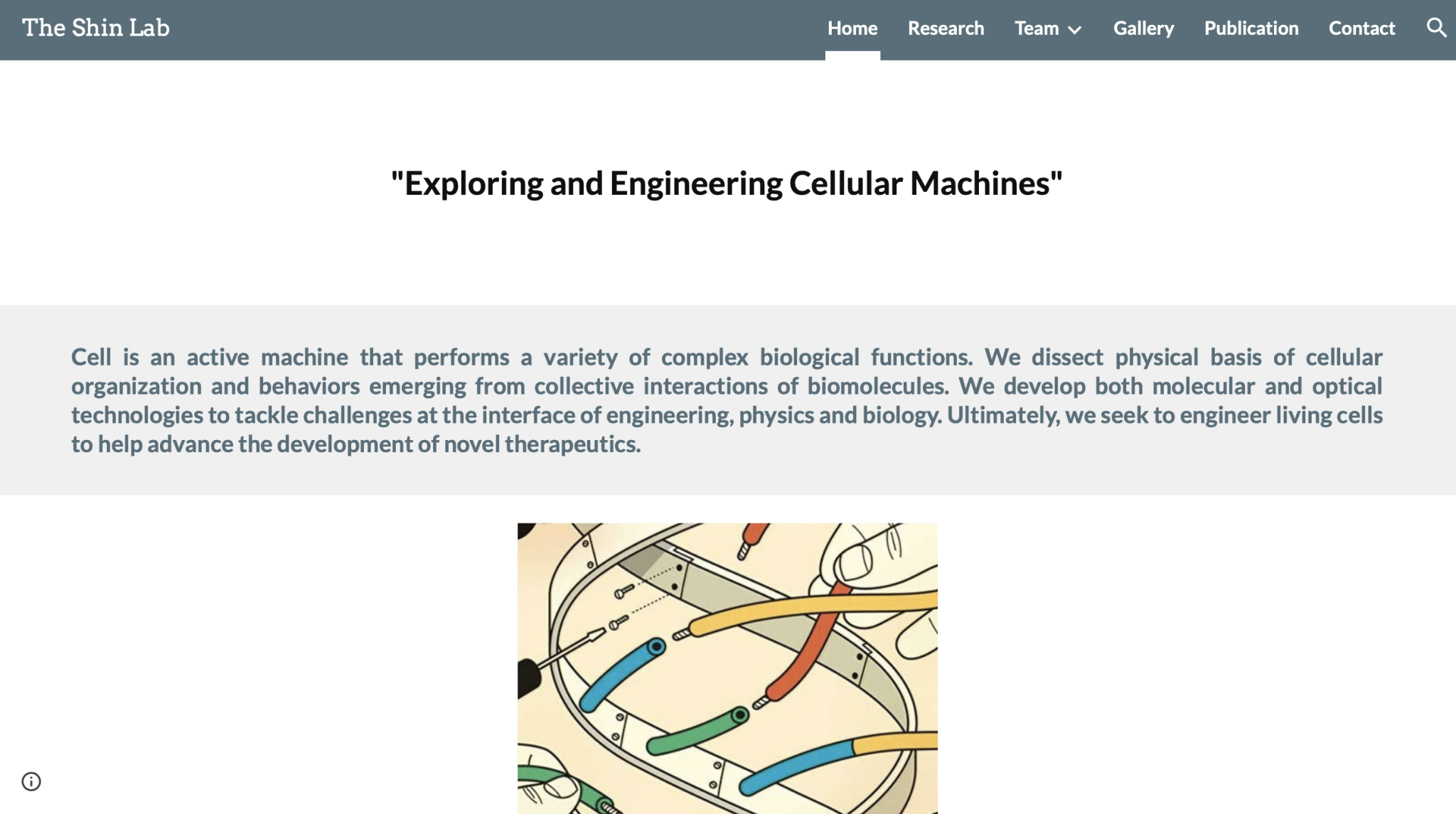
Laboratory for living systems engineering
Prof. Shin, Yongdae
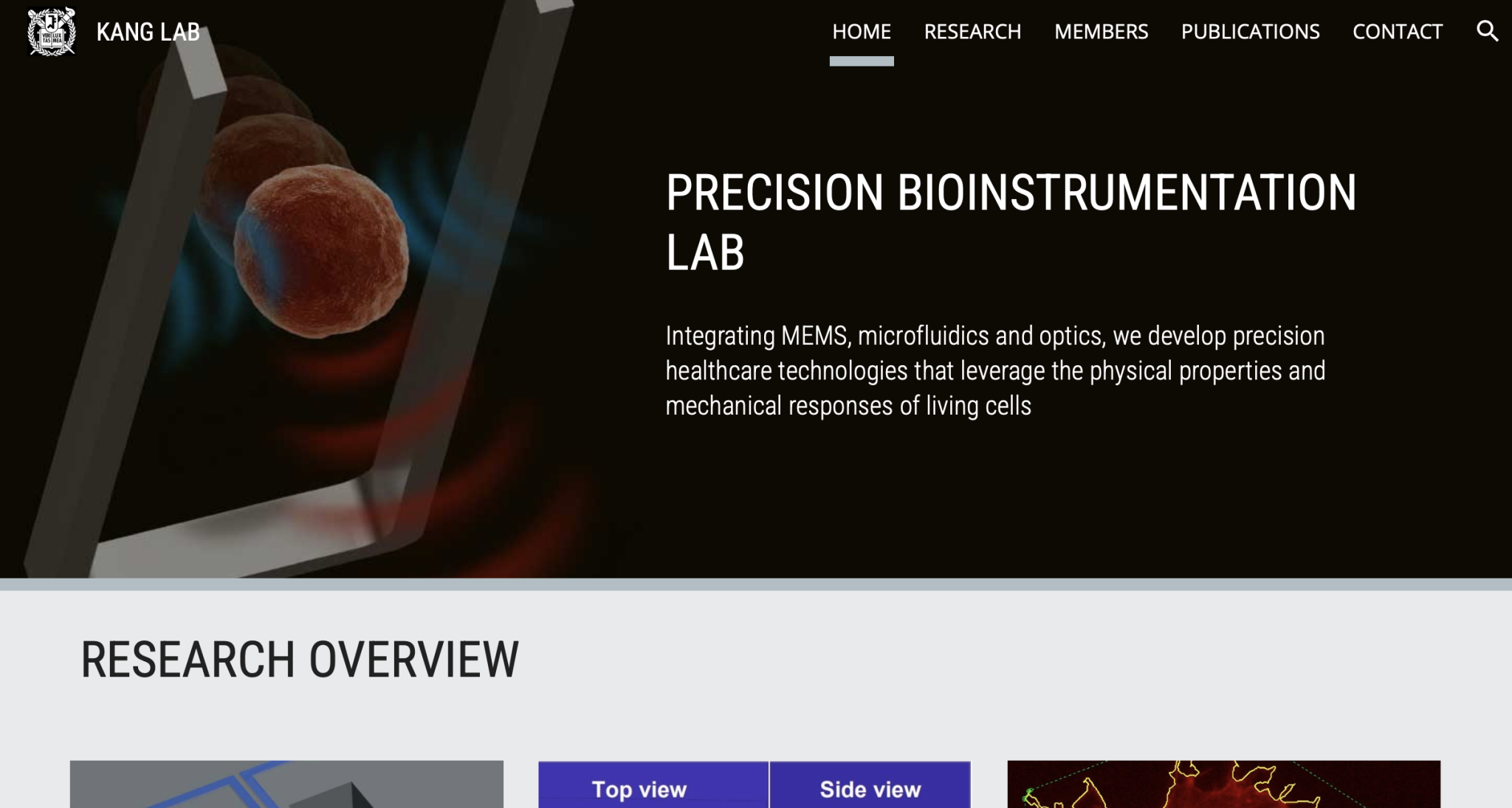
Precision Bioinstrumentation Laboratory
Prof. Kang, Joon Ho
The Precision Bioinstrumentation Lab develops high-precision technologies to measure the mechanical signals and physical properties of living cells. Our goal is to translate these insights into next-generation tools for biomedical diagnostics and therapeutics.
We particularly focus on developing techniques that can quantify the mechanome—mechanical attributes such as mass, volume, stiffness, and morphology of living systems—at the single-cell level and in real time. With the growing interest in novel biological datasets—especially unprecedented high-precision measurements that conventional AI has not yet encountered—our lab responds to this emerging challenge by integrating:
1) MEMS-based biosensors, such as the Suspended Microchannel Resonator (SMR),
2) Optics-integrated microfluidic platforms, including Fluorescence Exclusion Microscopy (FXm), and
3) AI-driven analysis of single-cell morphology and mechanical signatures.
By combining these approaches, we aim to establish a new paradigm in biomechanical signal measurement—and ultimately contribute to breakthroughs in precision medicine.

Imaging Intelligence Laboratory
Prof. Lee, Seung Ah
The Imaging Intelligence Laboratory develops next-generation imaging and sensing platforms by integrating optical hardware with AI-based software. Focusing on optical design, computational optics, and artificial intelligence, the lab aims to overcome the physical limits of conventional imaging systems.
The lab designs innovative systems such as label-free phase microscopes, in vivo blood flow imaging cameras, and ultra-thin lensless cameras. These technologies are applied across biomedicine, precision manufacturing, industrial inspection, and environmental monitoring.
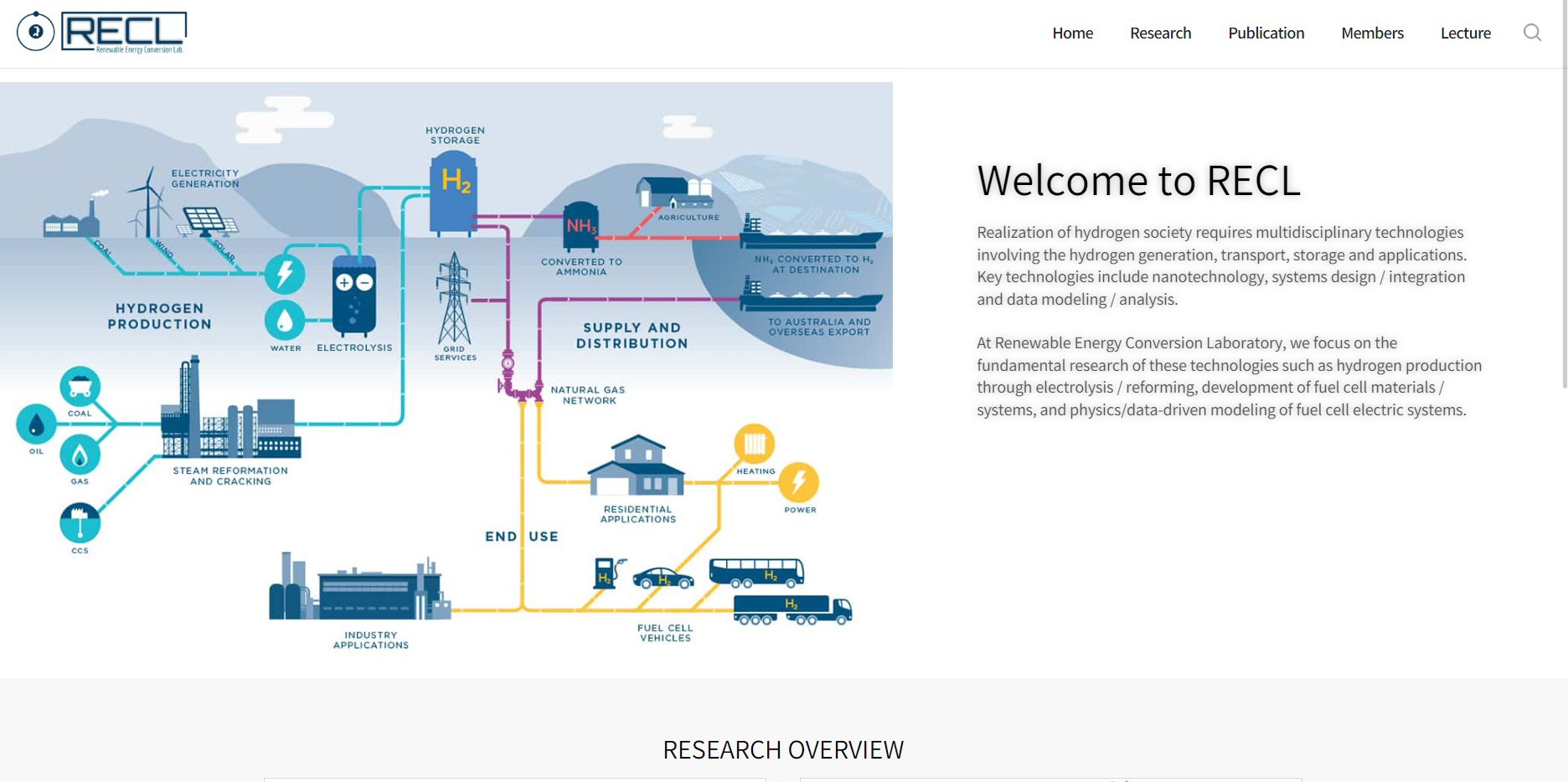
Renewable Energy Conversion Laboratory
Prof. Cha, Suk Won
The Renewable Energy Conversion Laboratory (RECL) focuses on building sustainable hydrogen energy systems by combining electrochemical energy conversion, nanomaterial engineering, and data-driven design.
The lab develops electrocatalysts and energy materials using nanothin-film fabrication, and conduct electrochemical analysis of water electrolysis and fuel cell systems to enhance efficiency and durability.By integrating physics-based models with machine learning, they aim to predict and optimize system performance under real-world conditions—supporting the future of clean energy and hydrogen-powered mobility.

Microfluids & Soft Matter Laboratory
Prof. Kim, Ho-Young
The Microfluids & Soft Matter Lab aims to quantitatively understand and control the physical behavior of various soft materials, including microfluids, biofluids, gels, and shells.
By integrating ultrafast imaging, theoretical modeling, and numerical simulations, the lab investigates dynamic phenomena occurring in both manufacturing processes and everyday contexts.
Based on these insights, the lab develops innovative bio-inspired mechanical systems, soft robots, and nanoscale manufacturing techniques.
Wearable Soft Electronics Laboratory
Prof. Ko, Seung Hwan
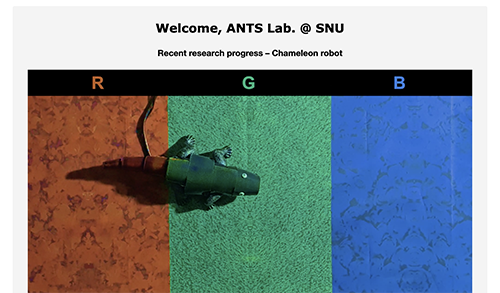
The Wearable Soft Electronics Lab focuses on developing next-generation wearable systems based on flexible and stretchable electronic devices and soft robotics. Their research includes skin-attachable electronics (e-skin), implantable biomedical devices, and soft robots.
The lab explores a wide range of applications, including brain-machine interfaces (HCI/HMI), bio-interfaces, energy devices, and environmental sensors. To achieve this, the lab utilizes advanced functional materials such as nanomaterials, liquid metals, and transparent electrodes, along with nanofabrication techniques.
Furthermore, the lab is focusing on integrating AI-based signal processing and automation technologies to create intelligent wearable platforms for real-world applications in biomonitoring, healthcare, and environmental sensing.

Energy Device and Nano-Engineering Laboratory
Prof. Lee, Yun Seog
The Energy Device and Nano-Engineering Laboratory (EDNEL) focuses on developing next-generation energy devices and advanced manufacturing technologies based on nano- and microscale mechanical engineering. The lab aims to enhance precision processes such as thin-film deposition, interface bonding, and layer transfer to realize high-performance, compact energy systems.
Their research spans solid-state batteries, thin-film solar cells, thermophotonic devices, and semiconductor/AI hardware, with an emphasis on solid mechanics and energy transport to design novel structures for efficient energy conversion and storage.
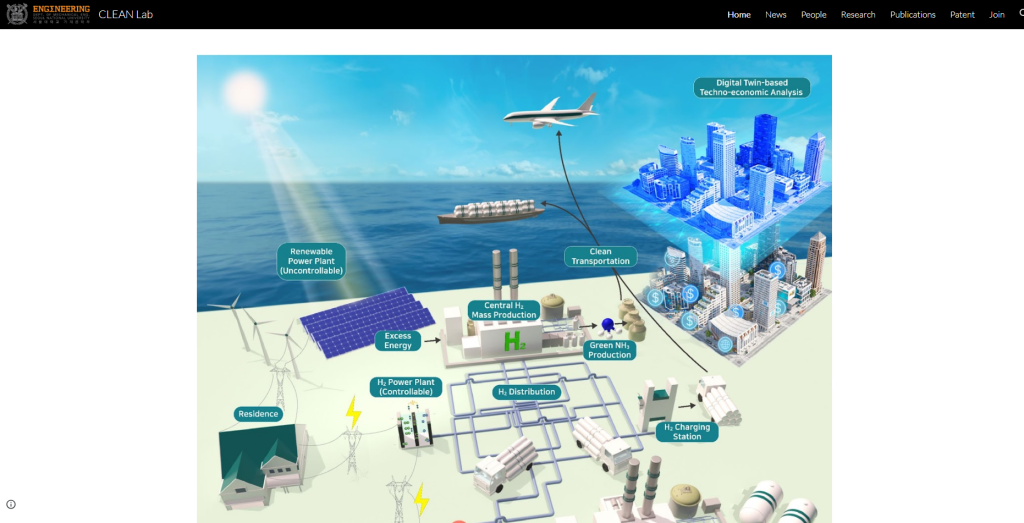
Clean Energy & Nanoheat Laboratory (CLEAN Lab.)
Prof. Park, Sangwook
Nano Energy Transfer and Engineering Laboratory
Prof. Kim, Taeyong
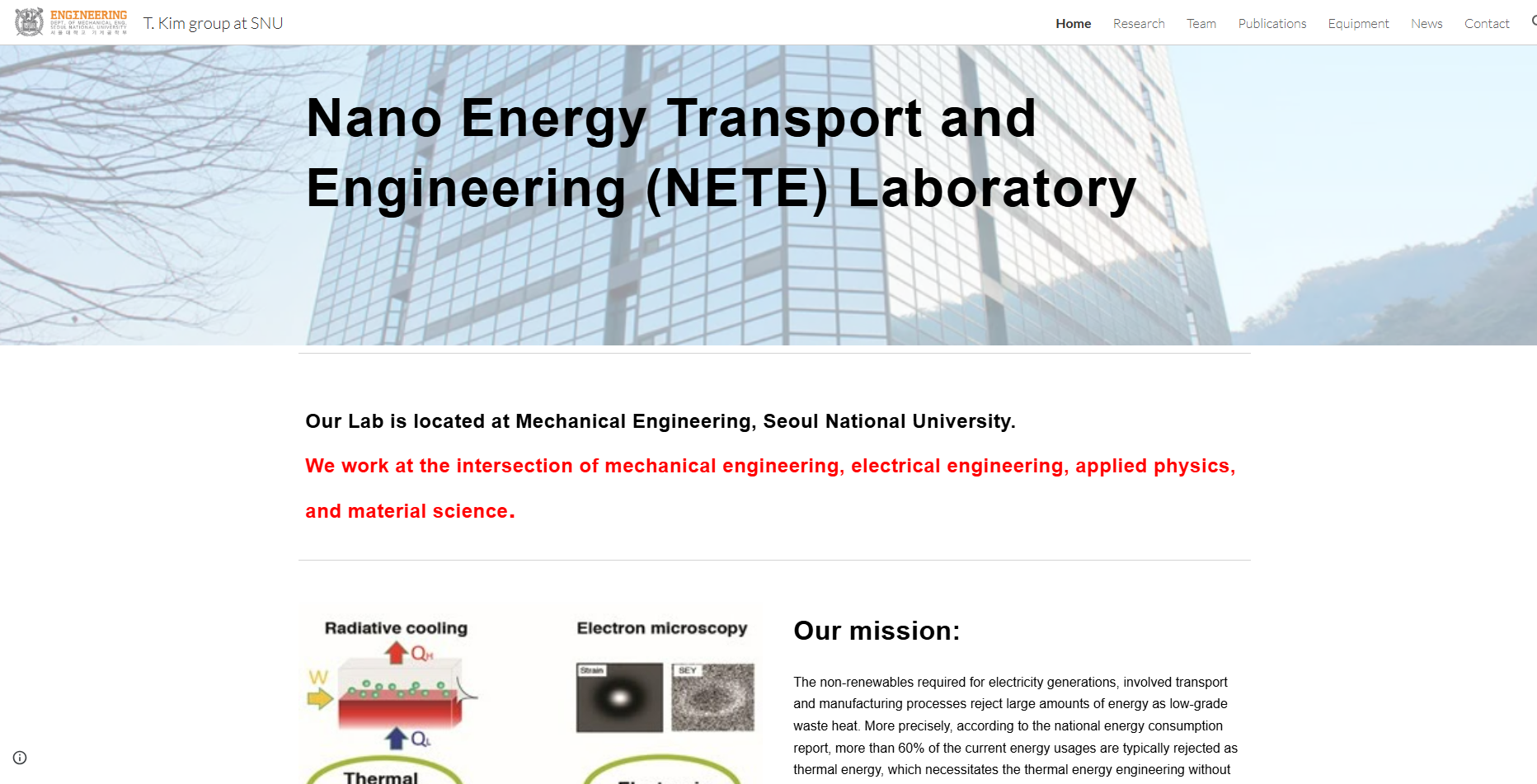
The Nano Energy Transfer and Engineering Lab develops high-efficiency energy materials and devices based on a fundamental understanding of energy transfer phenomena.
Researches aim to minimize inefficient energy losses—such as low-grade waste heat in conventional systems—by precisely analyzing the microscopic transport behavior of energy carriers such as phonons, electrons, and excitons.
Using optical spectroscopy and ultrafast electron microscopy, the lab quantitatively investigate heat and electron transport in inorganic and organic materials. The lab explores various nanoscale energy control technologies, including radiative cooling, thermoelectric conduction, and optical carrier imaging, to advance next-generation energy utilization strategies.
