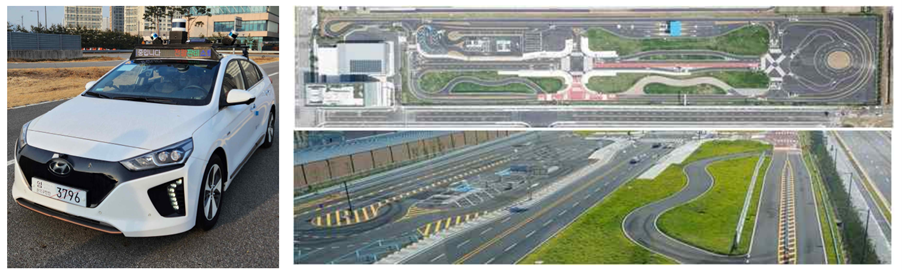
Design and Manufacturing
Research Area
Design and Manufacturing
The Design and Manufacturing Group conducts various studies related to the design and production of mechanical systems. In the Design process, we have not only studied the classical optimal/robust mechanical design theory, but also the CAD/CAM application, biomechanics and HCI, and future-oriented mechanical systems combining Internet-based, tangible user interface and new media technology including service robots. In Manufacturing, we develop advanced manufacturing systems that incorporate a variety of micro/nano processing, molding and manufacturing theories. In particular, the research and design of nano-to-macro-size structures/actuators/robots using composite materials and smart materials are conducted and applied to advanced energy/environment/titration technologies such as fuel cells.
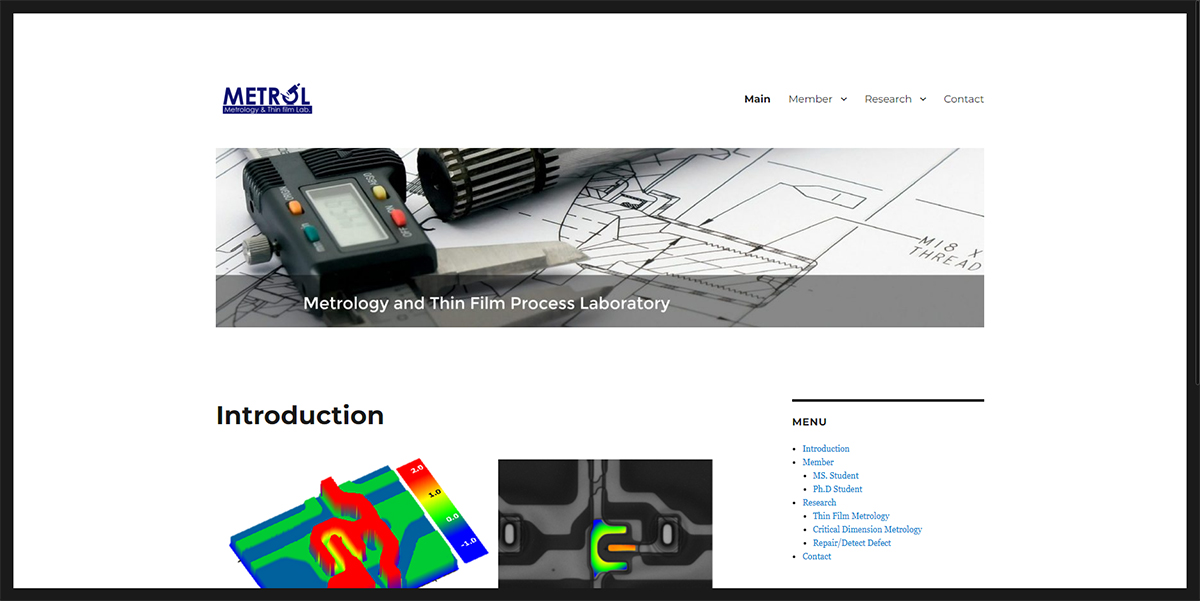
Metrology and Thin film process Laboratory
Prof. Pahk, Heui Jae
The Precision Metrology and Mechatronics Lab focuses on the development of advanced measurement technologies for thin films and microstructures in semiconductor and display devices.
To accurately and efficiently analyze increasingly miniaturized and complex device structures, the lab develops optical measurement systems—such as interferometers, reflectometers, and ellipsometers—alongside automated inspection systems that leverage machine learning and computer vision. Their research integrates programming, physics, optical theory, and knowledge of industrial processes to explore next-generation precision metrology technologies.
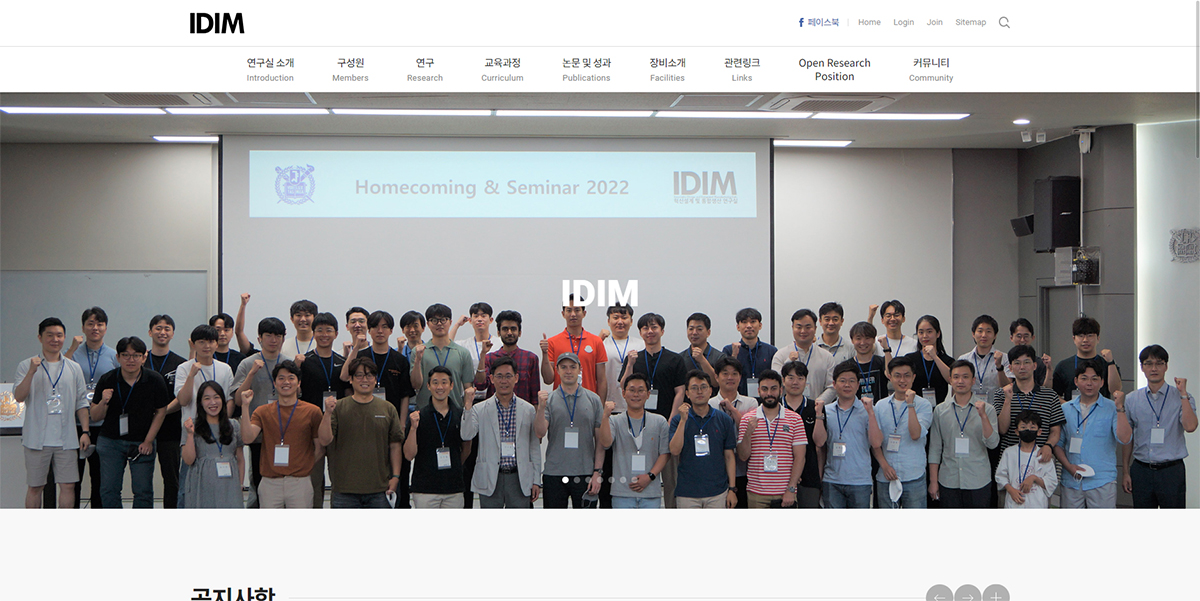
Innovative Design and Integrated Manufacturing Laboratory
Prof. Ahn, Sung-Hoon
The Innovative Design and Integrated Manufacturing Lab develops new products and systems by fusing creative design with cutting‑edge manufacturing technologies.
The lab investigates bio‑inspired robots built on Smart Soft Composites, nano‑ and micro‑scale precision machining, 3D/4D printing, and ultra‑precision metrology, offering solutions across industries such as robotics, semiconductors, energy, and medical devices. In addition, they design intelligent manufacturing systems—leveraging IoT, AI, and big data—for smart‑factory implementation, and actively carry out global social‑contribution projects through appropriate‑technology initiatives.
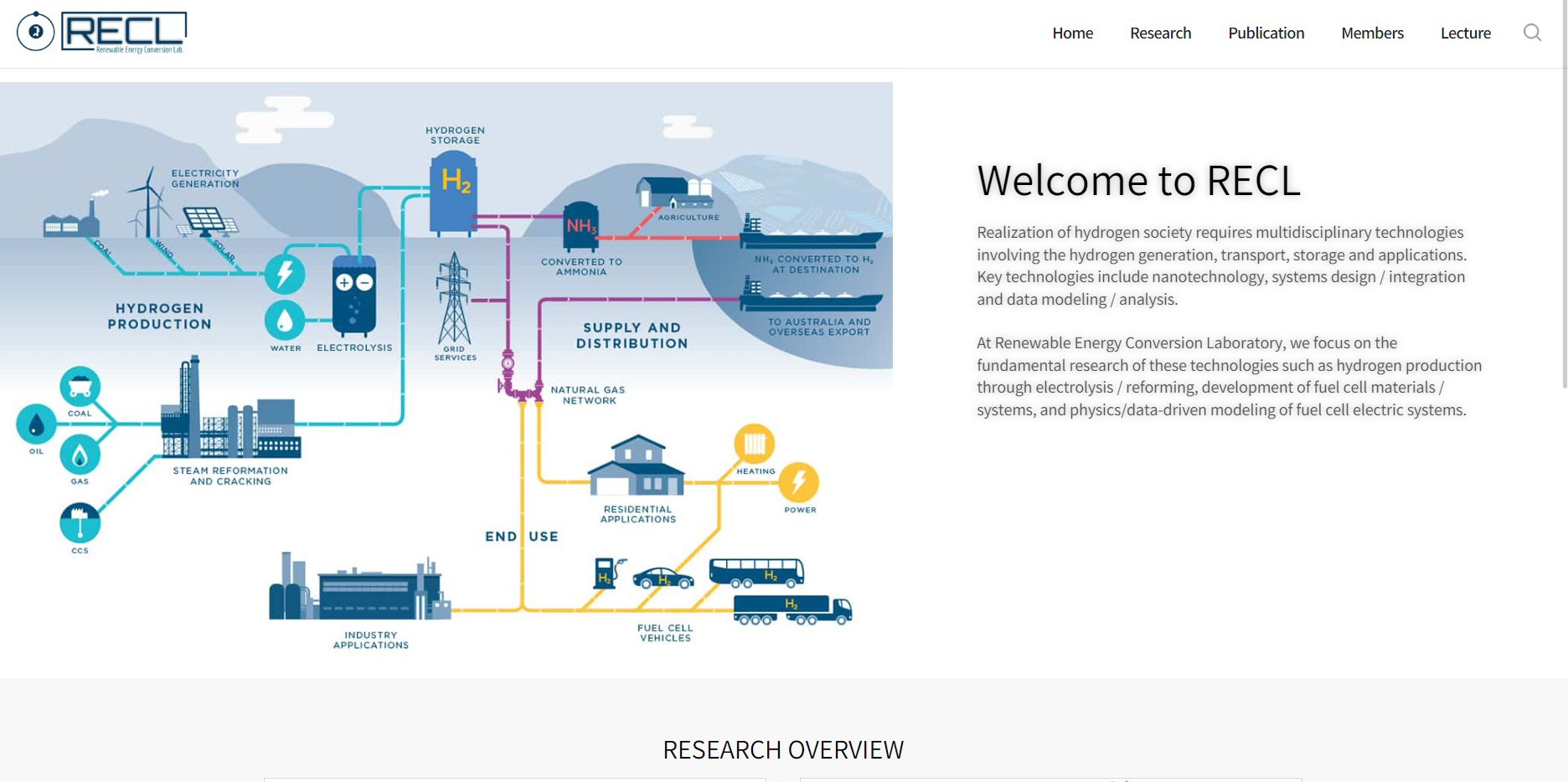
Renewable Energy Conversion Laboratory
Prof. Cha, Suk Won
The Renewable Energy Conversion Laboratory (RECL) focuses on building sustainable hydrogen energy systems by combining electrochemical energy conversion, nanomaterial engineering, and data-driven design.
The lab develops electrocatalysts and energy materials using nanothin-film fabrication, and conduct electrochemical analysis of water electrolysis and fuel cell systems to enhance efficiency and durability.By integrating physics-based models with machine learning, they aim to predict and optimize system performance under real-world conditions—supporting the future of clean energy and hydrogen-powered mobility.

Wearable Soft Electronics Laboratory
Prof. Ko, Seung Hwan
The Wearable Soft Electronics Lab focuses on developing next-generation wearable systems based on flexible and stretchable electronic devices and soft robotics. Their research includes skin-attachable electronics (e-skin), implantable biomedical devices, and soft robots.
The lab explores a wide range of applications, including brain-machine interfaces (HCI/HMI), bio-interfaces, energy devices, and environmental sensors. To achieve this, the lab utilizes advanced functional materials such as nanomaterials, liquid metals, and transparent electrodes, along with nanofabrication techniques. Furthermore, the lab is focusing on integrating AI-based signal processing and automation technologies to create intelligent wearable platforms for real-world applications in biomonitoring, healthcare, and environmental sensing.
Robot Vision Laboratory
Prof. Lim, Jongwoo
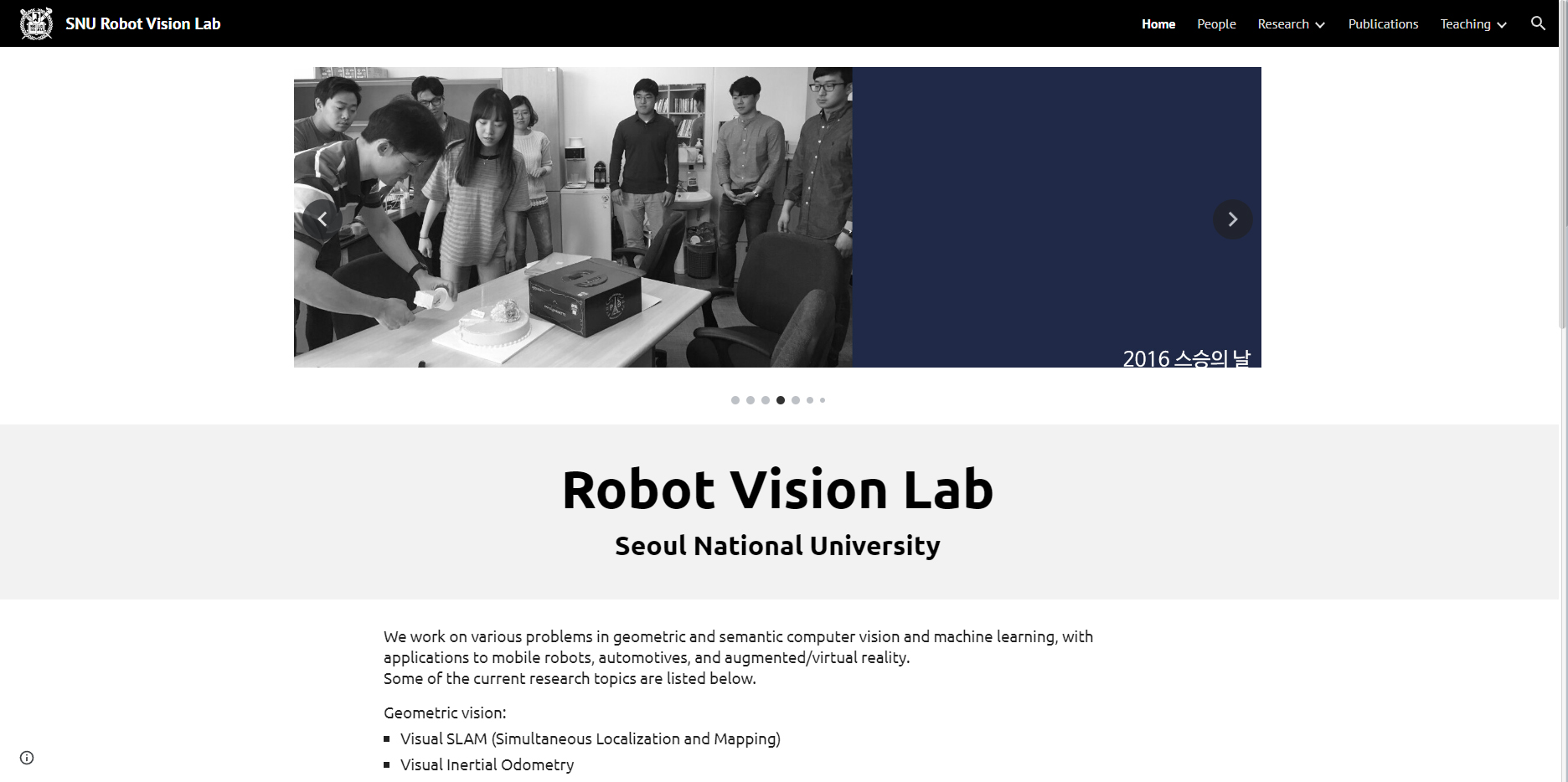
The Robot Vision Laboratory develops advanced computer vision and machine learning techniques for autonomous robots, self-driving vehicles, and AR/VR applications. Their research focuses on both geometric and semantic understanding of environments, enabling intelligent systems to perceive and navigate complex real-world spaces.
Key areas include Visual SLAM, visual-inertial odometry, multi-view stereo depth estimation, and large-scale 3D reconstruction. The lab also study object tracking, semantic scene segmentation, and scene understanding for autonomous driving, aiming to improve the precision and robustness of spatial and semantic perception in dynamic environments.
Soft Robotics and Bionics Laboratory
Prof. Park, Yong-Lae
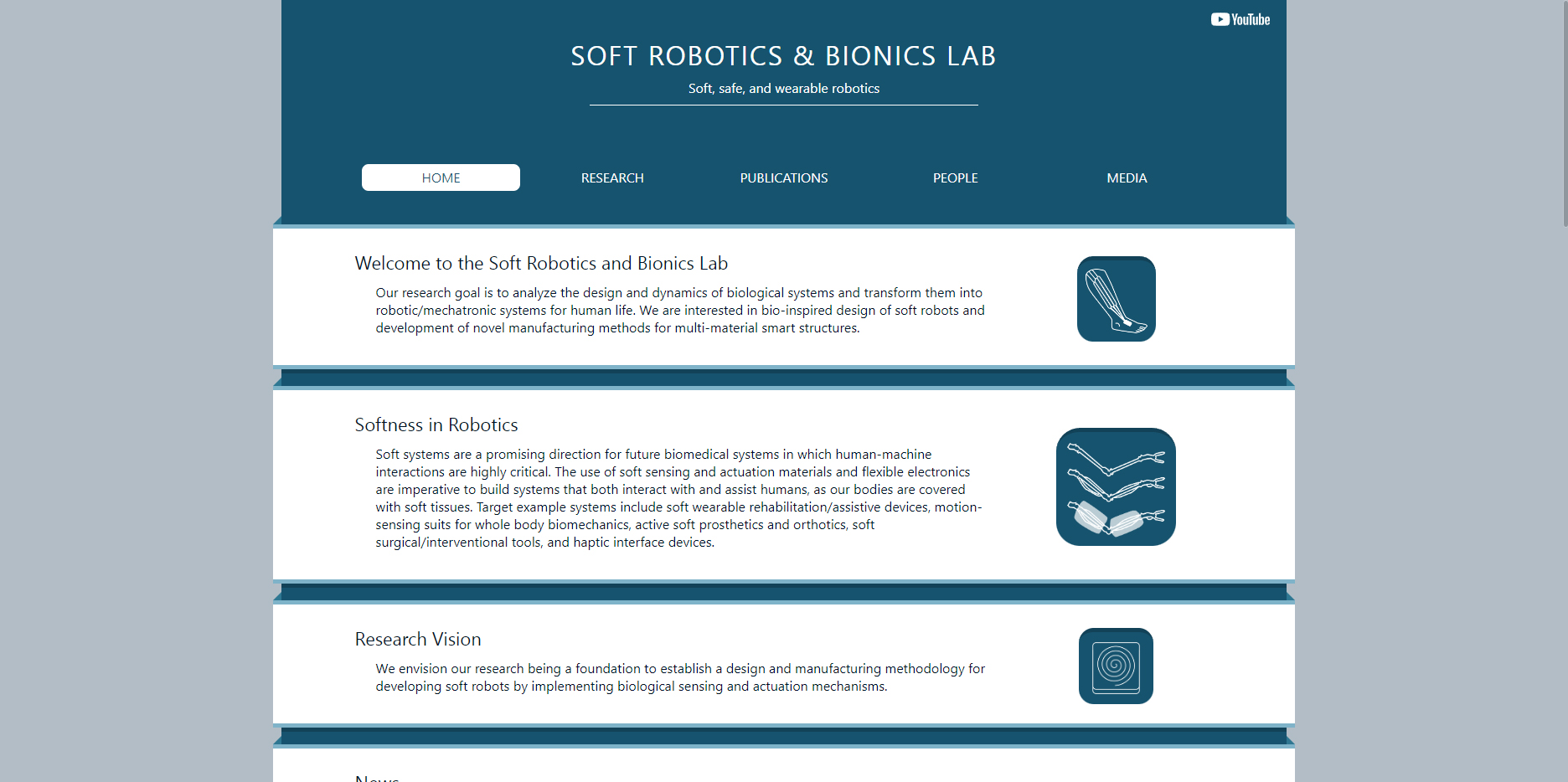
The Soft Robotics and Bionics Lab analyzes the design principles and dynamics of biological systems to develop advanced soft robotics and bionics technologies.
Utilizing flexible sensors, soft actuators, and stretchable electronics, the lab researches next-generation biomedical robotic systems that closely interact with humans, including wearable rehabilitation devices, active prosthetics and orthotics, and soft surgical tools. By developing smart structures that implement biological sensing and actuation mechanisms, the lab aims to establish intuitive and adaptive design and manufacturing methodologies for robotic systems.
Advanced Manufacturing and Programmable Matter Laboratory
Prof. Lee, Howon
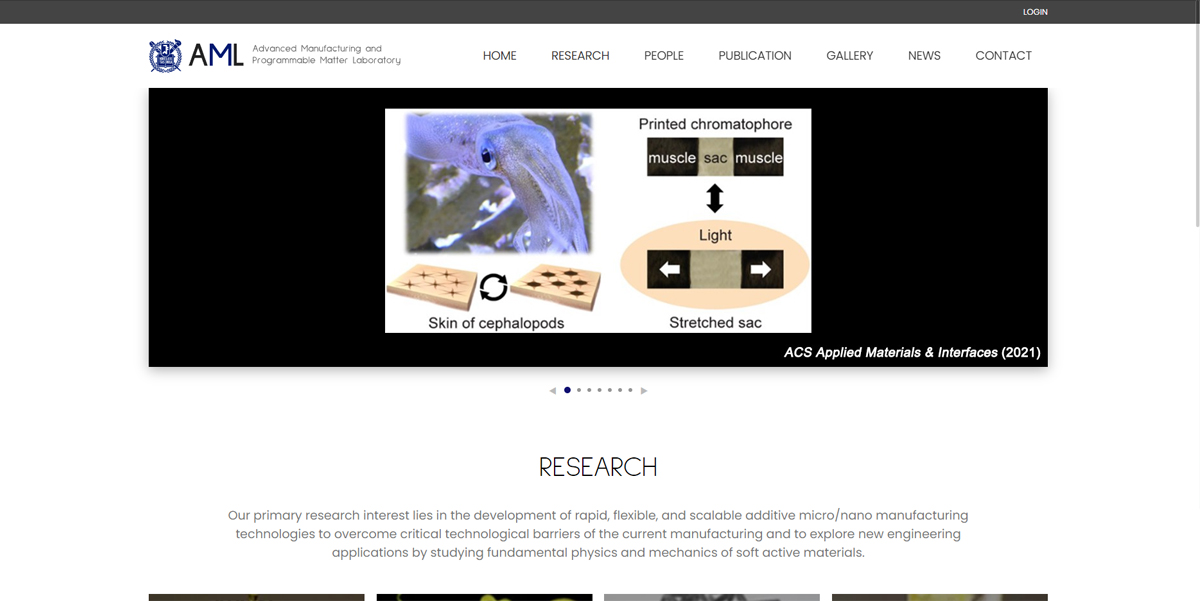
The Advanced Manufacturing and Programmable Matter Laboratory (AMP Lab) develops cutting-edge 3D printing technologies and intelligent material systems.
Our primary research interest lies in the development of rapid, flexible, and scalable additive micro/nano manufacturing technologies to overcome critical technological barriers of current manufacturing and to explore new engineering applications by studying the fundamental physics and mechanics of programmable matter.

Energy Device and Nano-Engineering Laboratory
Prof. Lee, Yun Seog

Robust Perception for Mobile robotics Laboratory
Prof. Kim, Ayoung
The Robust Perception and Mobile Robotics Lab conducts research to enhance spatial intelligence in autonomous robots using advanced sensor-based perception technologies.
We develop perception-based SLAM, sensor fusion, decision-making, and control algorithms to enable robust operation even in GPS-denied environments such as indoors, urban areas, and underwater.
Our work also expands the applicability of robotics in industrial settings through resources like the multi-spectral dataset (TRansPose) for transparent object perception and manipulation, and the 6D pose estimation model(PrimA6D++).
Healthcare Robotics Laboratory
Prof. Han, Amy Kyungwon
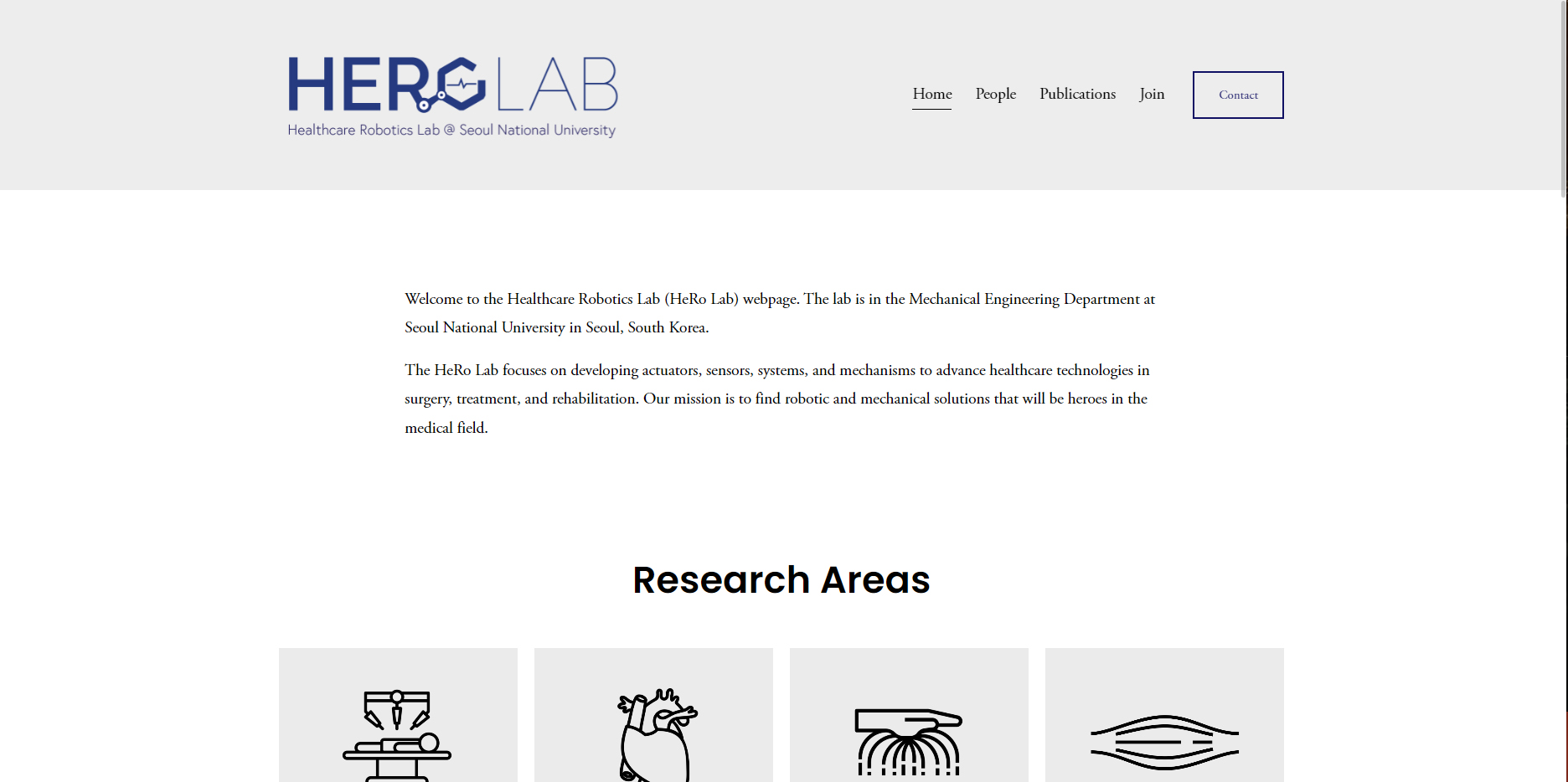
The Healthcare Robotics Laboratory develops innovative robotic systems and mechanisms for surgery, therapy, and rehabilitation. Their focus is on technologies that interact directly with patients, including surgical robots, haptic feedback devices, and implantable medical systems.
The lab design and implement key components for next-generation medical robots, such as soft artificial muscles, flexible sensors, and miniature actuators, enabling applications in precision surgery, remote healthcare, and biometric monitoring. By integrating bio-inspired mechanisms and smart materials, the lab aims to create human-friendly, efficient medical devices.
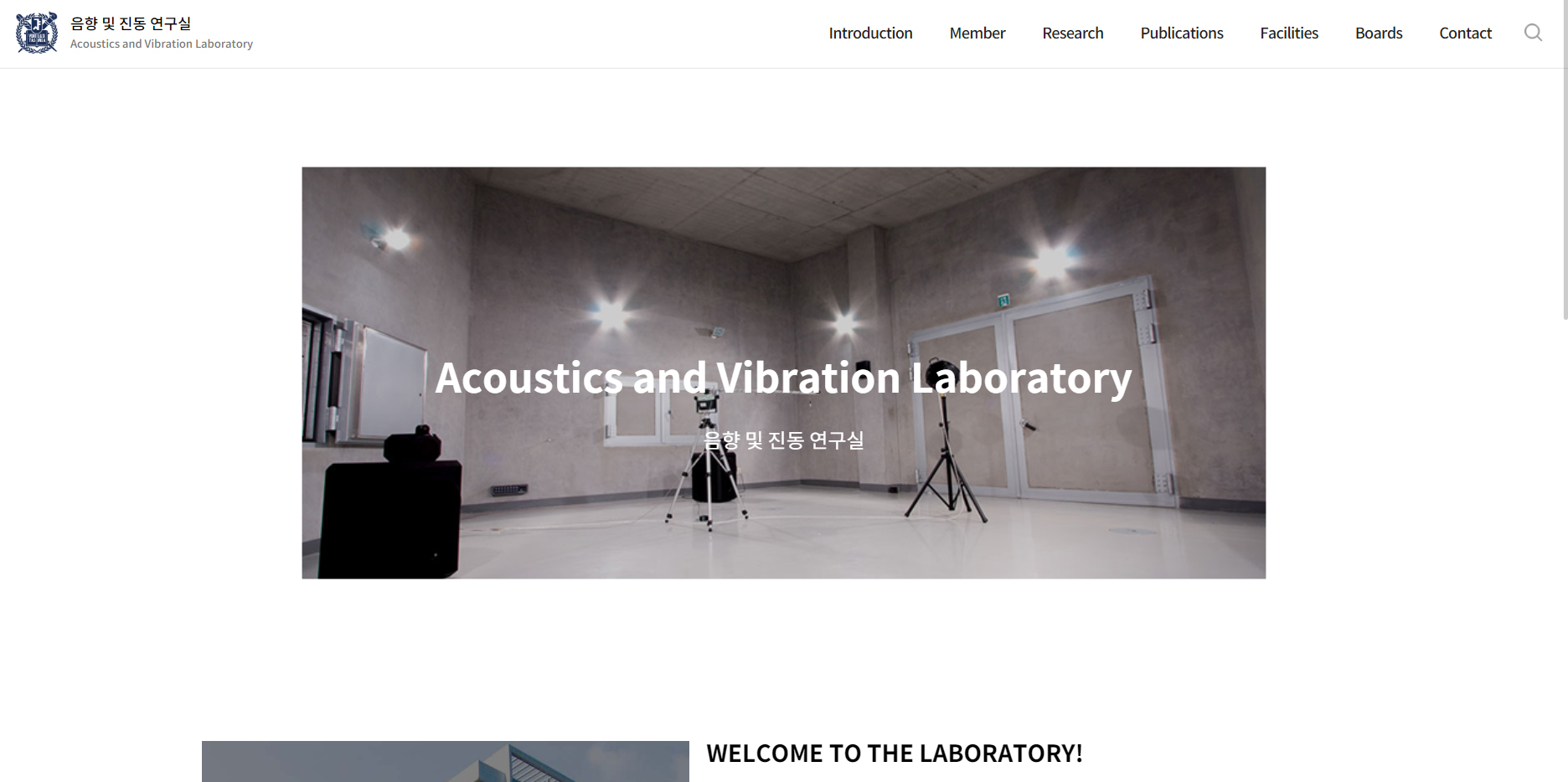
Acoustics and Vibration Laboratory
Prof. Kang, Yeon June
The Acoustics and Vibration Lab focuses on analyzing the noise and vibration characteristics of various mechanical systems and developing technologies to reduce them. To address real-world noise and vibration issues in industrial environments such as vehicles and motors, the lab conducts NVH (Noise, Vibration, Harshness) experiments and analysis-based research using high-performance equipment at the Advanced Automotive Research Center (AARC).
By integrating experimental and analytical techniques with advanced technologies such as artificial intelligence (AI), the lab aims to overcome the limitations of traditional approaches and deliver precise and efficient noise and vibration reduction solutions. Research areas are expanding to include acoustic materials, active noise control, and psychoacoustics, with the ultimate goal of developing practical and integrated noise/vibration control technologies.
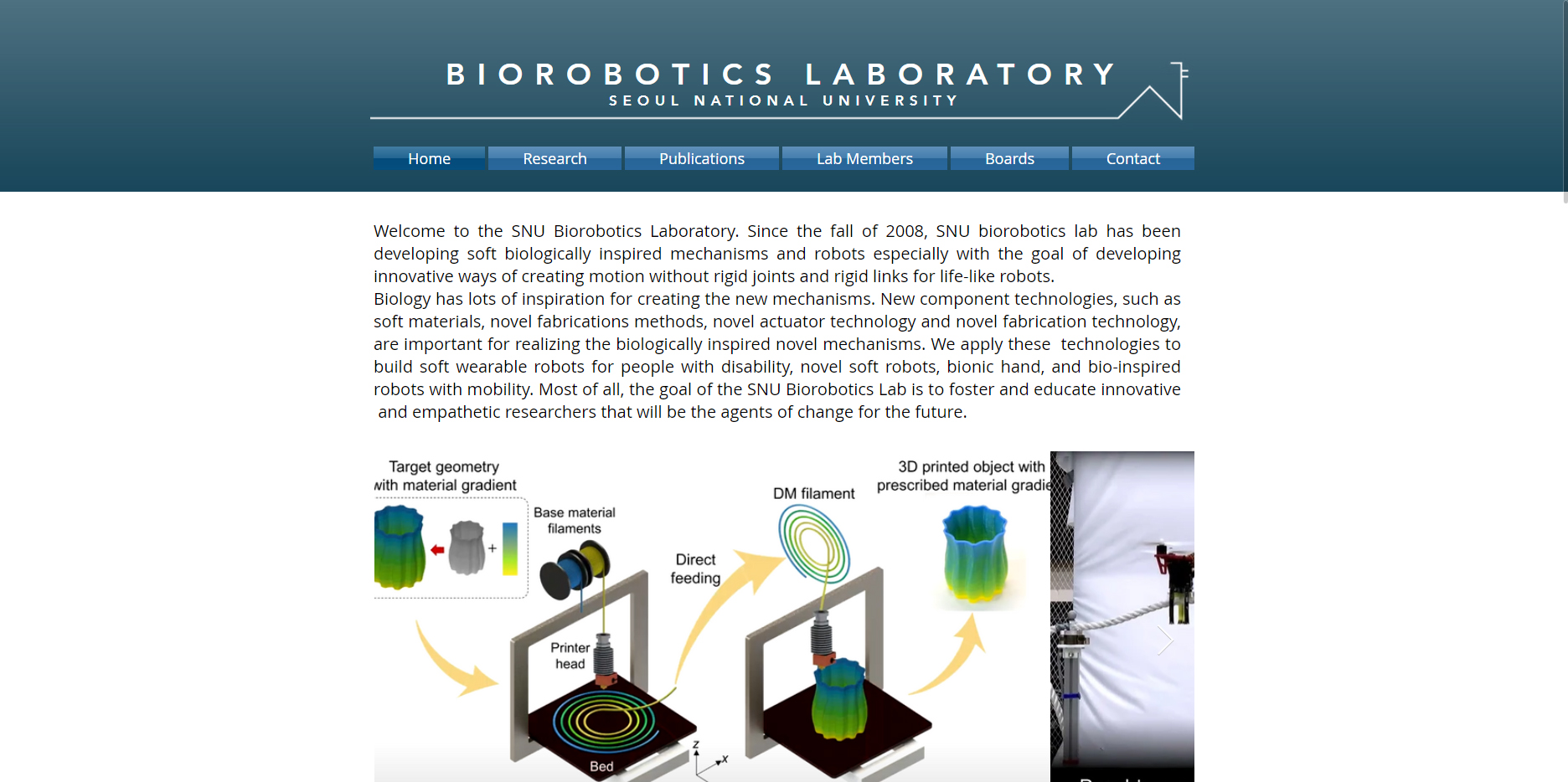
Biorobotics Laboratory
Prof. Cho, Kyu-Jin
The Biorobotics Laboratory explores bio-inspired, flexible mechanisms and robotic systems that emulate the movements of living organisms without traditional joints or rigid linkages. The lab investigate novel modes of locomotion by leveraging soft materials, innovative actuators, and advanced fabrication techniques.
Their research leads to the development of various soft robotic platforms, including wearable assistive devices, bionic hands, and biomimetic mobile robots. A key focus is on engineering the structures and actuation mechanisms necessary to translate biological principles into engineering designs, with the ultimate goal of creating human-centered, adaptable robotic technologies.

Transformative Architecture Laboratory
Prof. Yang, Jinkyu
The Transformative Architecture Laboratory explores the design and fabrication of advanced structural systems by integrating a wide range of disciplines, including mechanical engineering (mechanics, manufacturing, and robotics), as well as mathematics, physics, architecture, design, and data-driven modeling.
Their research aims to create structures that are not only mechanically and functionally optimized, but also aesthetically and architecturally expressive. By bridging engineering and design, the lab develops innovative solutions that respond to the evolving demands of the built environment.

Imaging Intelligence Laboratory
Prof. Lee, Seung Ah
The Imaging Intelligence Laboratory develops next-generation imaging and sensing platforms by integrating optical hardware with AI-based software. Focusing on optical design, computational optics, and artificial intelligence, the lab aims to overcome the physical limits of conventional imaging systems.
The lab designs innovative systems such as label-free phase microscopes, in vivo blood flow imaging cameras, and ultra-thin lensless cameras. These technologies are applied across biomedicine, precision manufacturing, industrial inspection, and environmental monitoring.